
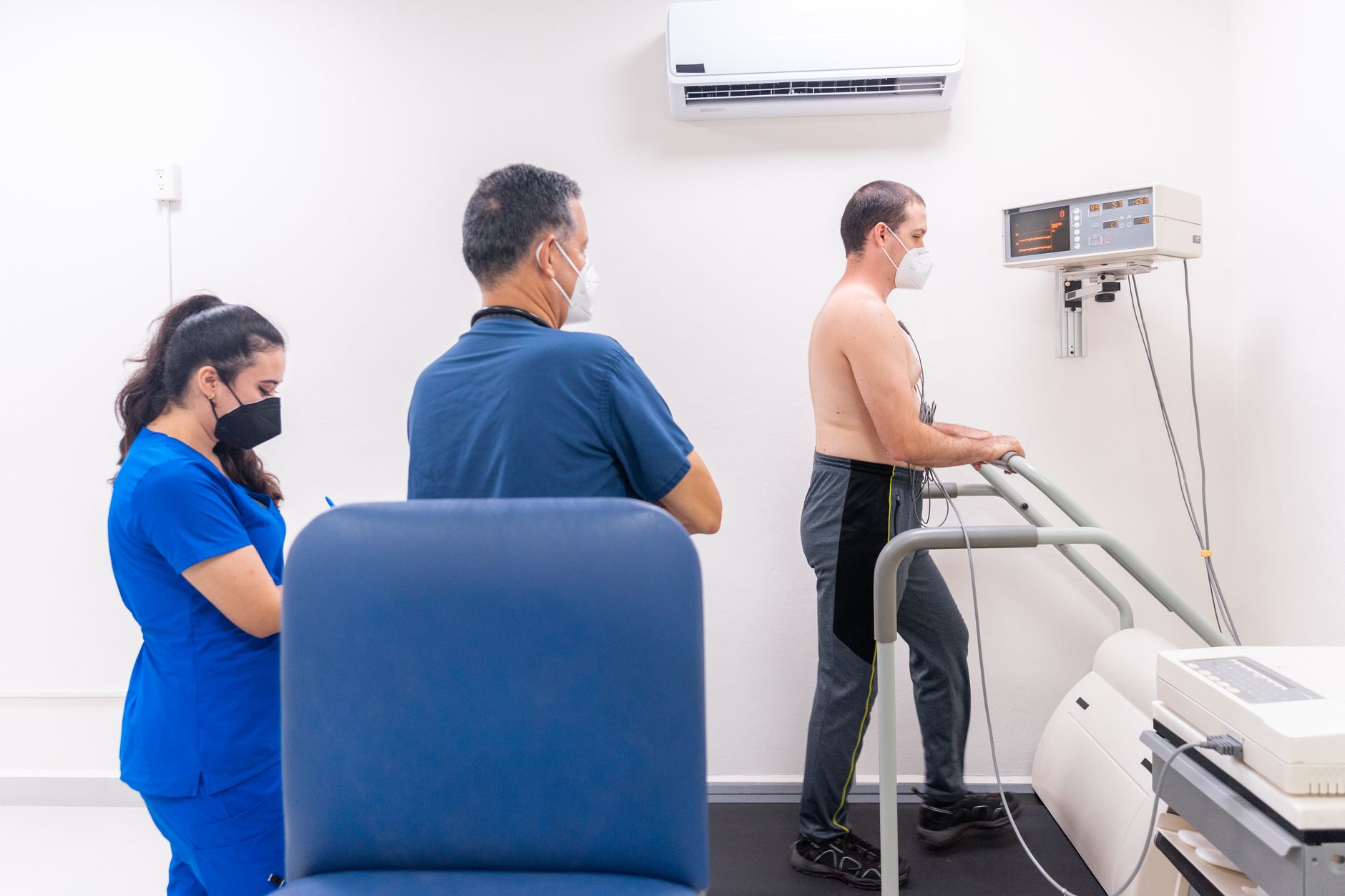
Proving causation in sudden cardiac death: identifying evidence gaps
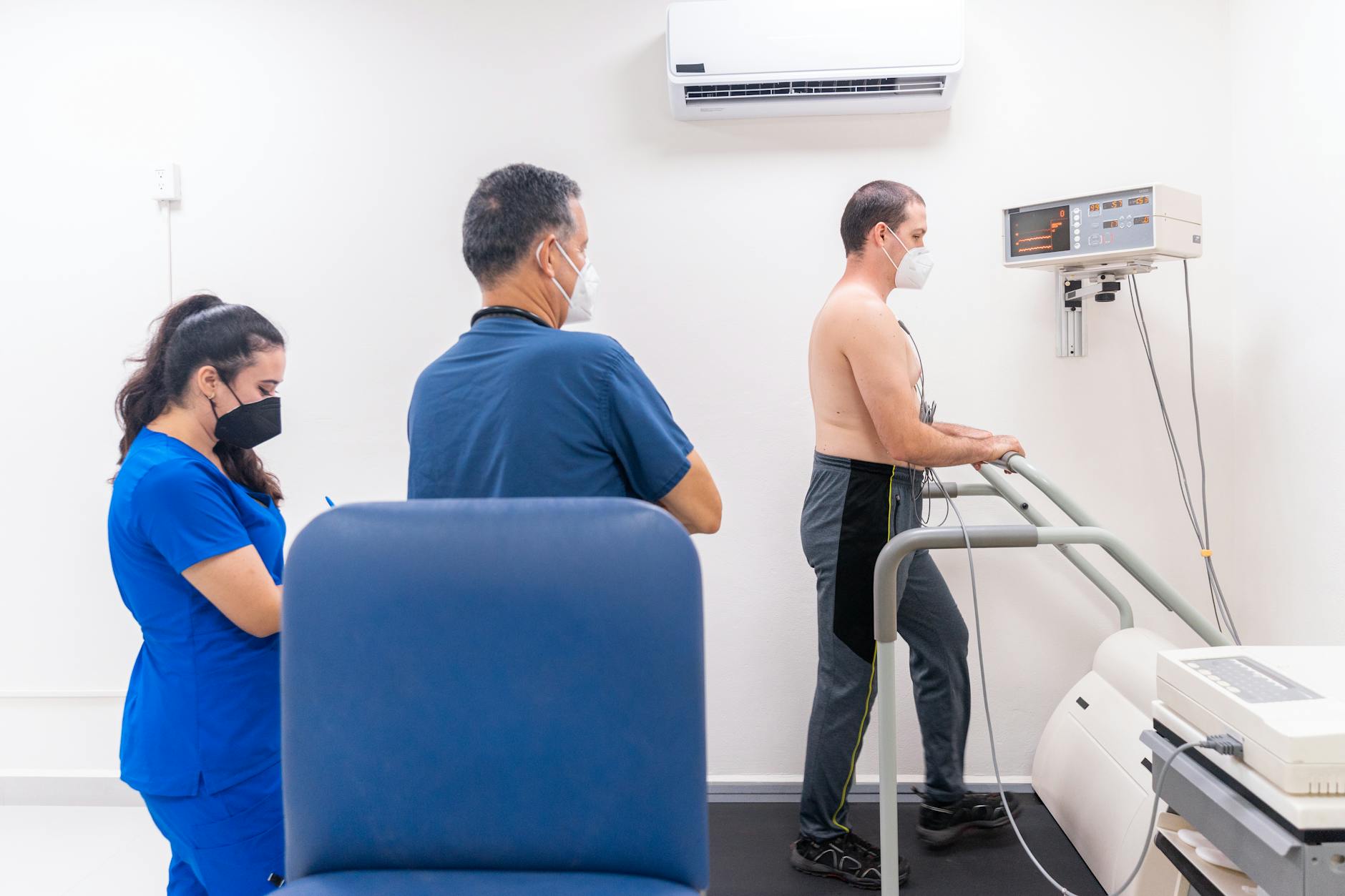
The Clinical Framework of Sudden Cardiac Death
Establishing causation in fatal cardiac claims requires a granular analysis of clinical data to bridge the gap between an alleged breach of duty and a fatal outcome. In medico-legal practice, distinguishing between an arrhythmic death in the setting of structural heart disease, an inherited channelopathy, or a missed acute coronary event necessitates an evaluation of the deceased’s cardiac phenotype against established clinical frameworks. Experts often review longitudinal records—including prior ECGs, echocardiography, and family history—to determine if a diagnostic or management failure occurred.
Clinical tools, including validated risk stratification scores, may assist in assessing whether the care provided was consistent with a responsible body of medical opinion under Bolam v Friern [1957] and Bolitho v City and Hackney HA [1998]. However, experts must remain vigilant against retrospective bias. The occurrence of a fatal event does not, of itself, imply that clinical management was deficient or that a specific intervention would have altered the outcome with the requisite probability.
Causation and the Legal Threshold
In civil litigation, the claimant must satisfy the “but-for” test. The expert’s task, pursuant to CPR Part 35, is to provide an objective opinion on whether the hypothetical survival of the patient was more likely than not (the >50% threshold) absent the alleged breach. Where medical science provides only a range of probabilities, the expert must clearly delineate these limitations. Ambiguity in the clinical record or the absence of baseline data—such as serial troponin monitoring in suspected acute coronary syndrome—frequently necessitates careful, evidence-based reasoning rather than speculation.
Common Pitfalls in Causation Evidence
Evidential gaps often arise due to the sudden nature of the index event. Key areas of contention include:
- Diagnostic Ambiguity: Cases where the cause of death is recorded as “unascertained” or “cardiac death” without a formal post-mortem or molecular autopsy, complicating the nexus between an alleged missed diagnosis and the cause of mortality.
- Subtlety of Presentation: Disagreements over whether a clinical presentation, such as atypical chest pain, necessitated immediate escalation under established local protocols.
- Apportionment of Risk: Situations where pre-existing comorbidities, such as multi-vessel disease, complicate the determination of whether the index event was the primary driver of mortality.
- The ‘Loss of a Chance’ Doctrine: Following Gregg v Scott [2005], the courts have generally maintained that a loss of a chance of a better outcome is not compensable in clinical negligence where the prospect of survival was below 50% prior to the alleged breach.
The Role of the Expert Witness and CPR 35
The expert’s overriding duty to the court under CPR 35.3 is paramount. In fatal claims, the expert cardiologist must maintain independence when reviewing limited or incomplete records. Where the court directs that evidence be given by a single joint expert under CPR 35.7, the expert must ensure their findings reflect the broad consensus of clinical experience and address the specific questions raised in instructions governed by CPR 35.8. Should instructions be unclear, experts are empowered under CPR 35.14 to seek directions from the court.
When separately instructed experts are appointed, the court may direct, or the parties may arrange, that experts hold discussions to identify areas of agreement and disagreement. This process, facilitated by CPR 35.12, aims to narrow the issues and requires a professional, evidence-led approach focused on clinical data rather than advocacy.
Practical Guidance for Instructing Solicitors
To ensure a robust instruction, solicitors should consider the following:
- Comprehensive Record Disclosure: Ensure all relevant secondary care cardiology records, GP summaries, and coronial documentation are collated and indexed.
- Targeted Questions: Draft instructions that invite the expert to apply the Bolam/Bolitho framework to specific, identifiable clinical milestones.
- Early Expert Engagement: Identifying critical evidence gaps prior to the expiry of limitation periods or the loss of witness testimony is essential.
- Specialist Sub-Expertise: In cases involving complex inherited syndromes or intricate electrophysiological pathways, consider instructing an expert with specific sub-specialty accreditation, such as cardiac rhythm management or inherited cardiac disease.
Rigorous clinical reasoning remains the cornerstone of any expert assessment of mortality. Expert opinion must withstand scrutiny by applying established diagnostic criteria and a clear understanding of the relevant legal tests to ensure the court is presented with the most precise evidence available to resolve the claim.
This article is for general informational purposes only and does not constitute legal or medical advice. Readers should seek appropriate professional guidance.